
Long before Tampa became famous for its Cuban sandwiches, Cuban families in Ybor City were enjoying mojo-marinated pork in their homes and family gatherings. Made with a simple combination of citrus juices, garlic, oregano, and cumin, Citrus Mojo Cuban Pork Roast became a staple of Tampa's immigrant food culture and remains one of the most beloved dishes in Florida today.
This post is part of the Old Tampa Table series.
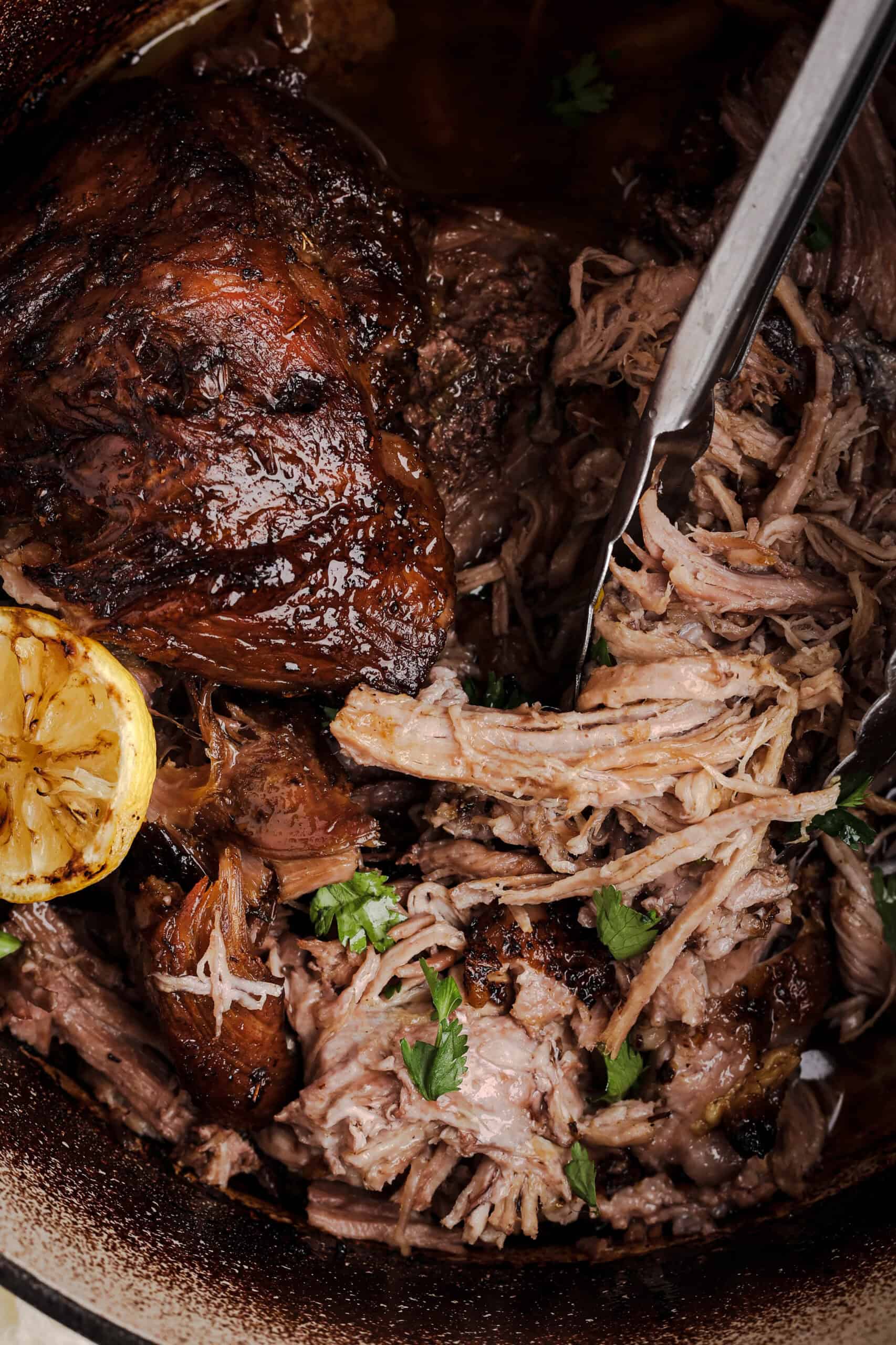
This version is marinated overnight and slow-roasted until fork-tender, with caramelized edges and flavorful juices. Growing up in Tampa, we enjoyed mojo pork alongside black beans and rice and sweet plantains during the holidays, as well as tucked into a Tampa Cuban Sandwich. Needless to say, this roast is delicious, versatile and worth the time to prepare.
Dish History
The story of mojo pork is closely tied to the Cuban families who helped build Tampa during the late 1800s and early 1900s. As Ybor City's cigar factories flourished, thousands of immigrants from Cuba, Spain, and other parts of the Caribbean brought their traditions, recipes, and flavors with them. Among those traditions was the practice of marinating pork in a vibrant mixture of citrus, garlic, and herbs known as mojo.
At a time when large family gatherings and community celebrations were central to daily life, roast pork was often the centerpiece of the table. The citrus marinade not only added flavor but also helped tenderize tougher cuts of meat, transforming humble ingredients into something memorable. Every family had their own version, with recipes passed down through generations and adjusted according to taste and available ingredients.
Mojo Pork was served at family dinners, holiday celebrations, social club gatherings, and community events throughout Ybor City and West Tampa. Over time, this flavorful roast would also become one of the key ingredients in Tampa's famous Cuban sandwich, where slices of mojo pork were layered with ham, Swiss cheese, pickles, mustard, and the signature addition of salami.
Today, mojo pork remains one of Florida's most beloved heritage dishes. While the city around it has changed dramatically, the combination of citrus, garlic, and slow-roasted pork continues to connect modern Tampa kitchens to the immigrant families who helped shape the region's culture and cuisine.
Jump to:
Equipment
You don't need any special equipment to make this authentic Cuban mojo pork roast. Just a few kitchen basics:
- Large Dutch oven with lid
- Sharp chef's knife
- Cutting board
- Large mixing bowl
- Measuring cups and spoons
- Citrus juicer (optional but helpful)
- Whisk or spoon
- Meat thermometer
- Tongs or large serving fork
Helpful Tip
Dutch oven is ideal for this recipe because it helps keep the pork moist while it slowly roasts. During the final stage of cooking, removing the lid allows the exterior to caramelize and develop the rich color and flavor that make mojo pork so irresistible.
Ingredients
Another great thing about this recipe is that you will find the ingredients relatively inexpensive for the amount of food yielded. Making it a great recipe to feed a crowd or to meal prep and enjoy throughout the week.
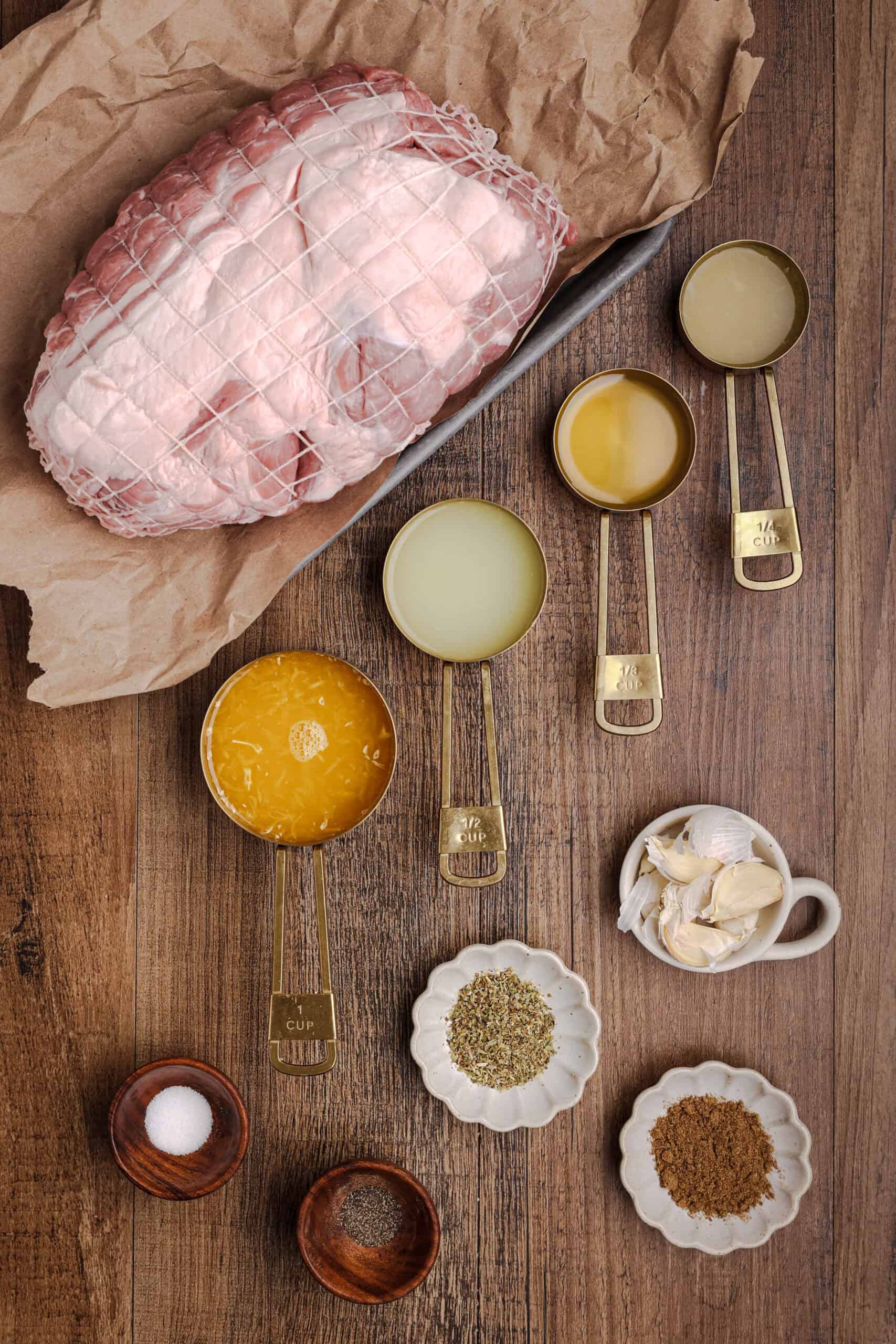
- 1 (4-pound) boneless pork shoulder: Also called Boston butt, pork shoulder is the traditional cut used for mojo pork. It contains enough fat and connective tissue to become incredibly tender during the long roasting process. Look for a roast with some visible marbling throughout the meat, and a layer of fat across one of the sides. This will help keep it juicy and flavorful.
- 1 cup freshly squeezed orange juice (about 3-4 medium oranges): Orange juice forms the base of the mojo marinade and provides sweetness to balance the garlic and spices. Freshly squeezed juice delivers the best flavor, but store-bought orange juice can be used in a pinch.
- ½ cup freshly squeezed lime juice (about 4 limes): Lime juice adds brightness and acidity, helping to tenderize the pork while giving mojo its signature tangy flavor. Fresh lime juice is strongly recommended over bottled lime juice for the most authentic taste.
- ¼ cup freshly squeezed lemon juice (about 2 medium lemons): Lemon juice adds another layer of citrus flavor and helps mimic the flavor of traditional sour oranges, which can be difficult to find outside of Florida and the Caribbean.
- ¼ cup olive oil: Olive oil helps carry the flavors of the garlic, herbs, and spices throughout the marinade while creating rich, flavorful pan juices as the pork roasts.
- 10 garlic cloves, peeled, sliced and divided: Garlic is one of the defining flavors of mojo pork. Use fresh garlic cloves rather than pre-minced garlic for the best results.
- 2 teaspoons dried Oregano: Oregano adds an earthy herbal note that balances the bright citrus flavors and is commonly used in Cuban cooking.
- 2 teaspoons ground cumin: Cumin provides warmth and depth without making the dish spicy. It pairs beautifully with the citrus and garlic.
- 1 tablespoon kosher salt: Salt enhances every flavor in the marinade and helps season the pork all the way through during the overnight marinating process. If using table salt instead of kosher salt, reduce the amount to 2 teaspoons.
- 1 teaspoon freshly ground black pepper: Black pepper adds subtle warmth and balances the richness of the pork.
Instructions
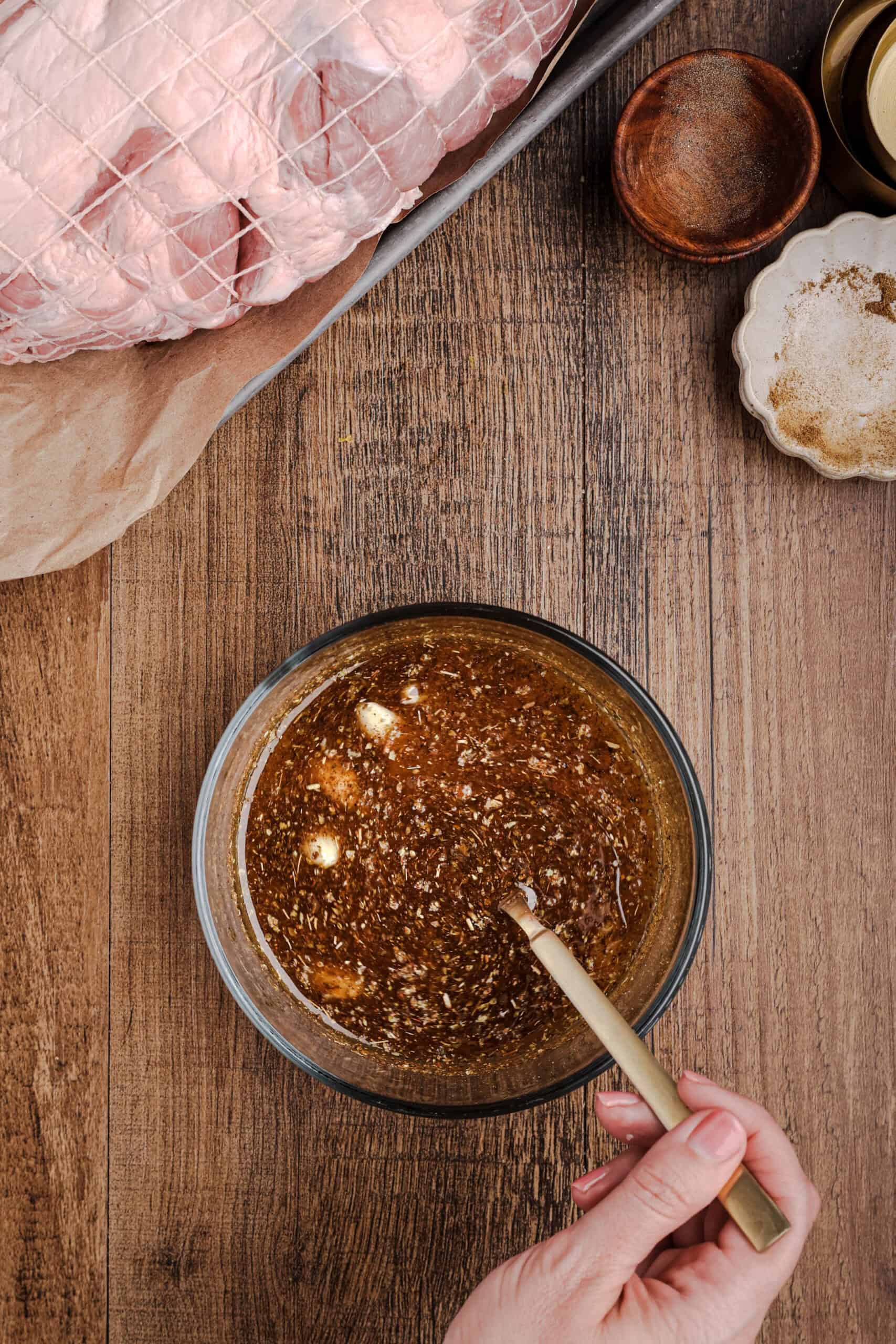
Make the Mojo Marinade
- Step 1: In a bowl, combine the orange juice, lime juice, olive oil, about 6 garlic cloves, dried oregano, ground cumin, salt, and pepper.
- Step 2: Whisk until combined, set aside. The marinade should smell bright, citrusy, and garlicky. Don't worry if it seems strong since flavors will mellow and deepen as the pork roasts.
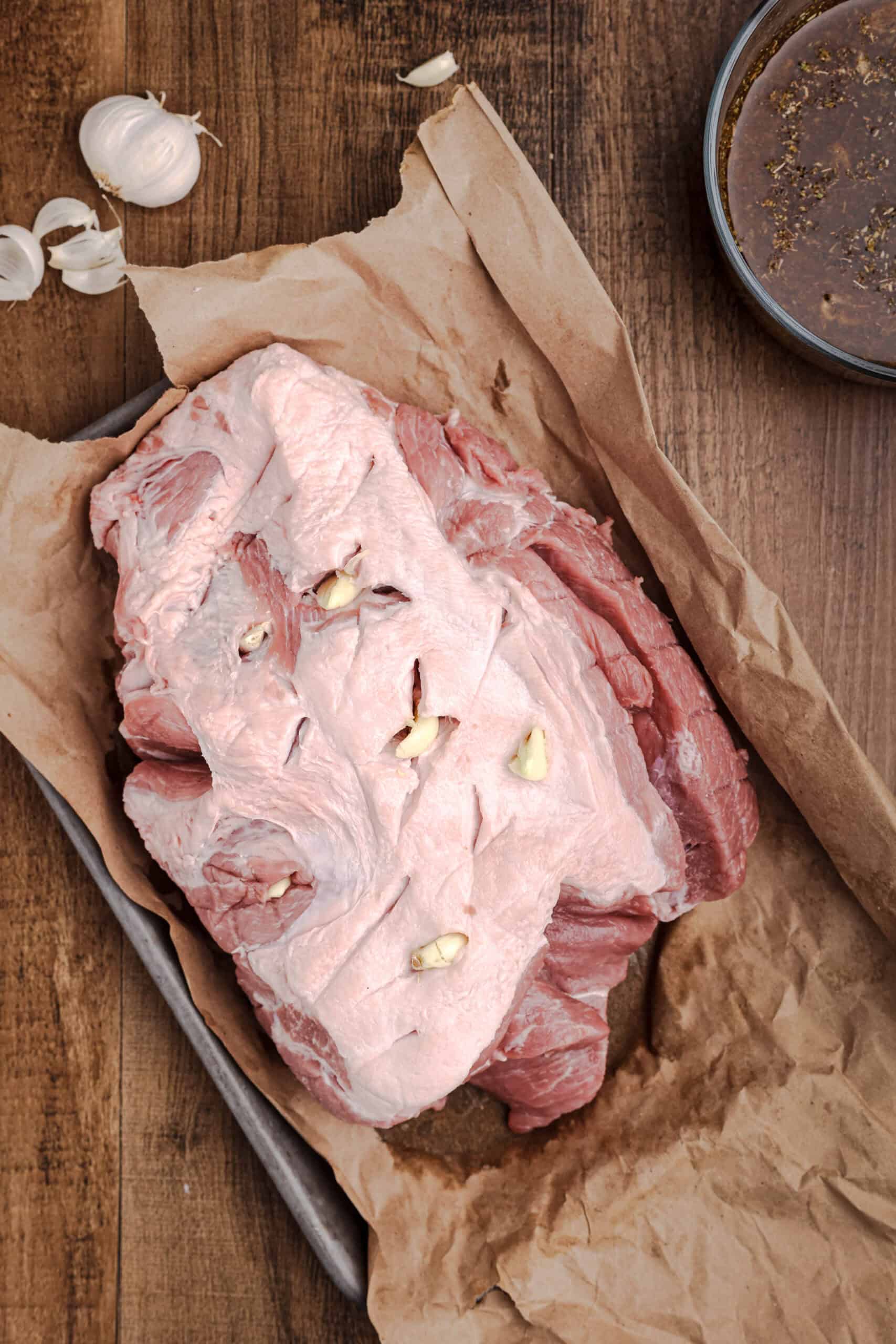
Prepare the Pork
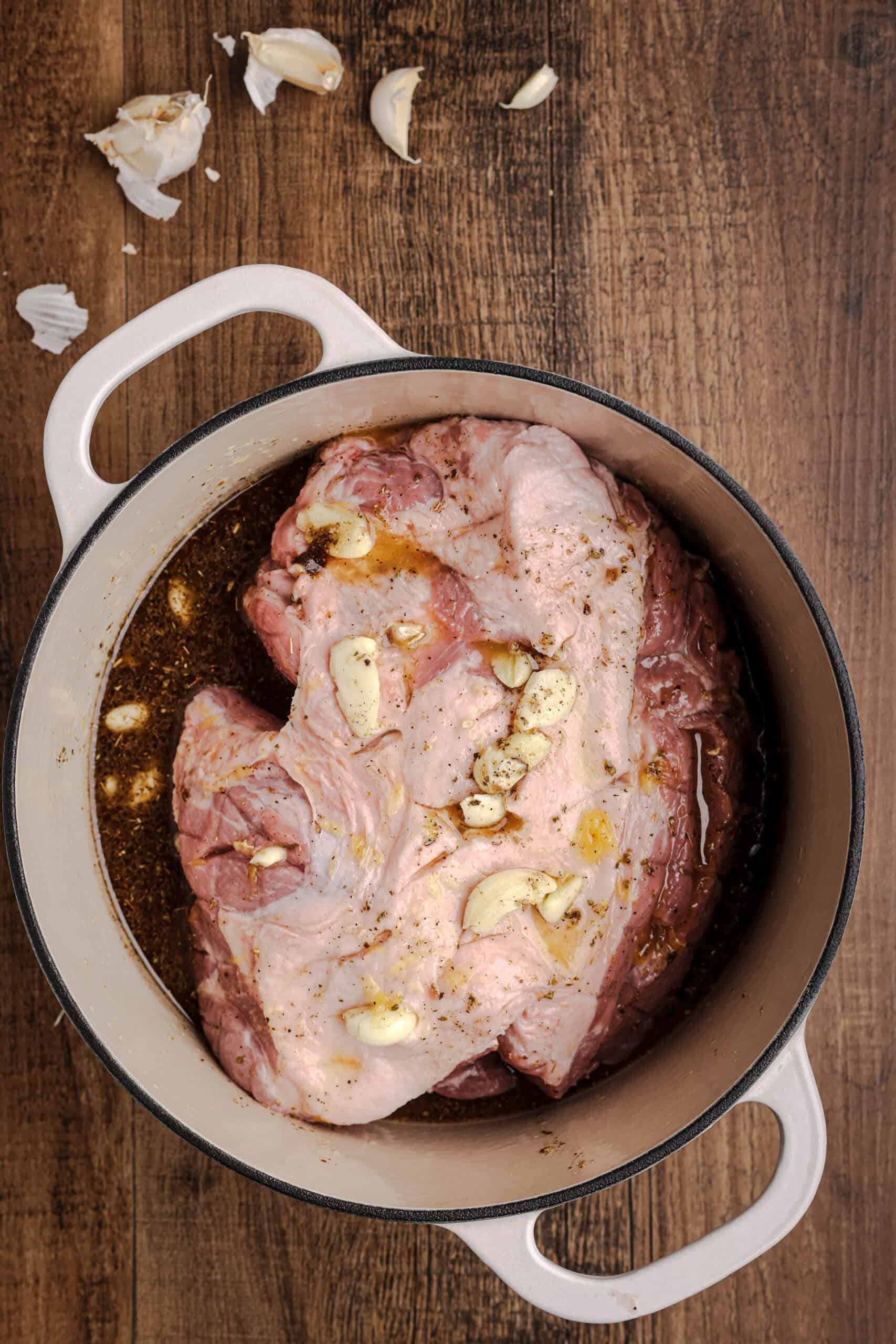
- Step 3: Remove pork shoulder from its packaging and pat dry with paper towels.
- Step 4: Using a sharp knife, make small slits all over the surface of the pork, spacing them about 1 in apart.
- Step 5: Insert the remaining garlic slices into the slits of the pork shoulder.
Marinate the Pork
- Step 3: Place the pork shoulder into a large Dutch oven or deep baking dish. Pour the marinade over the pork, turning it several times to coat all sides.
- Step 6: Cover and refrigerate for at least 8 hours, but preferably overnight. For the best flavor, turn the pork once or twice while marinating to help the flavors distribute evenly.
Bring the Pork to Room Temperature
- Step 6: About 30 minutes before cooking, remove the pork from the refrigerator. Allowing the pork to sit at room temperature briefly helps it cook more evenly. Meanwhile, preheat your oven to 325°F (163°C).
Roast the Pork
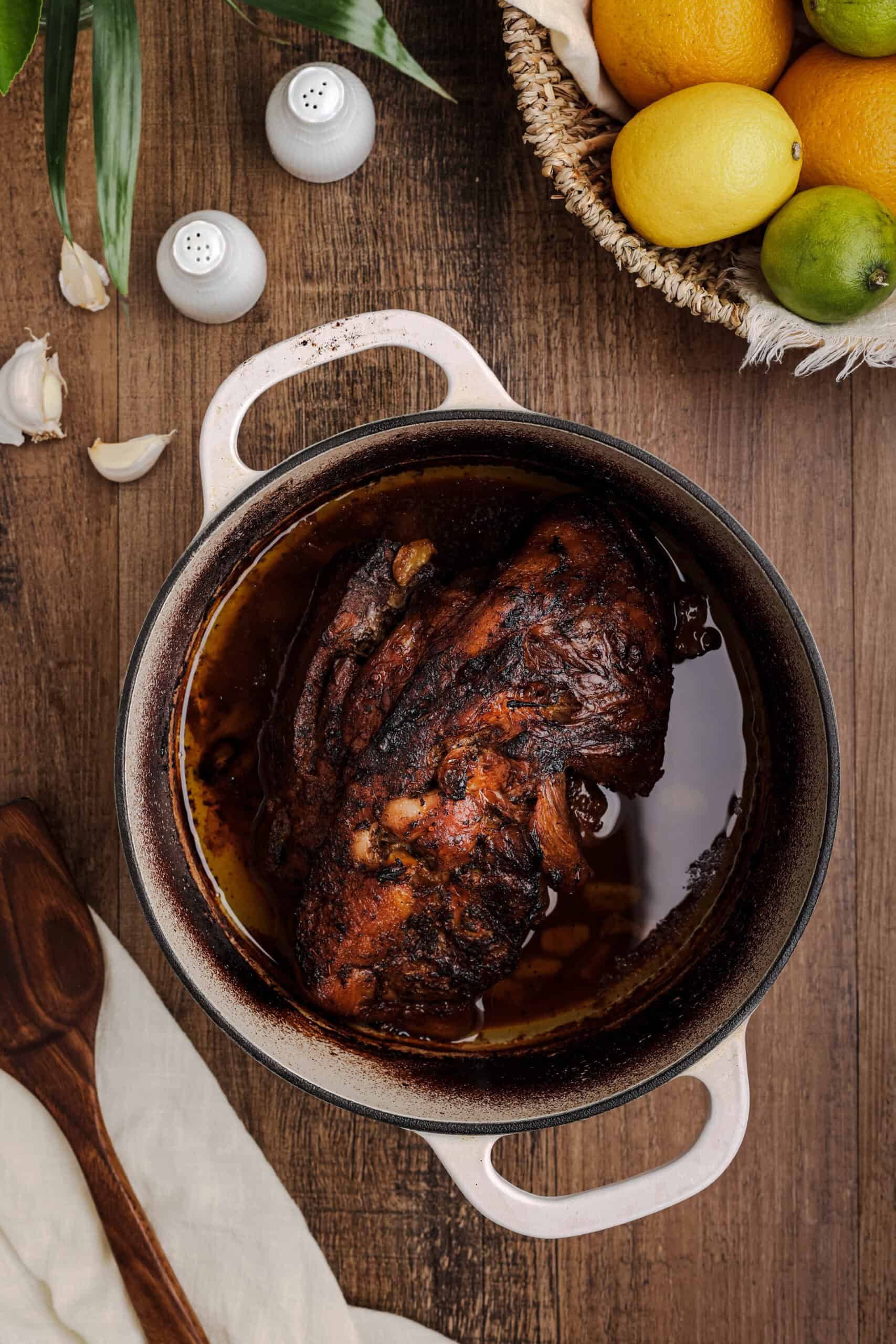
- Step 7: Place the covered Dutch oven into the preheated oven. Roast for approximately 3½ to 4 hours, or until the pork is very tender and easily pierced with a fork. The internal temperature should reach approximately 195°F to 205°F, which is the ideal range for shreddable pork.
Caramelize the Exterior
- Step 8: Carefully remove the lid from the Dutch oven. Increase the oven temperature to 425°F (218°C). Return the pork to the oven uncovered and roast for an additional 20 to 30 minutes, or until the top develops deep golden-brown caramelization.
Rest, Shred and Serve
- Step 9: Remove the Dutch oven from the oven and allow the pork to rest for 15 to 20 minutes. Resting allows the juices to redistribute throughout the meat, resulting in a more tender and flavorful roast.
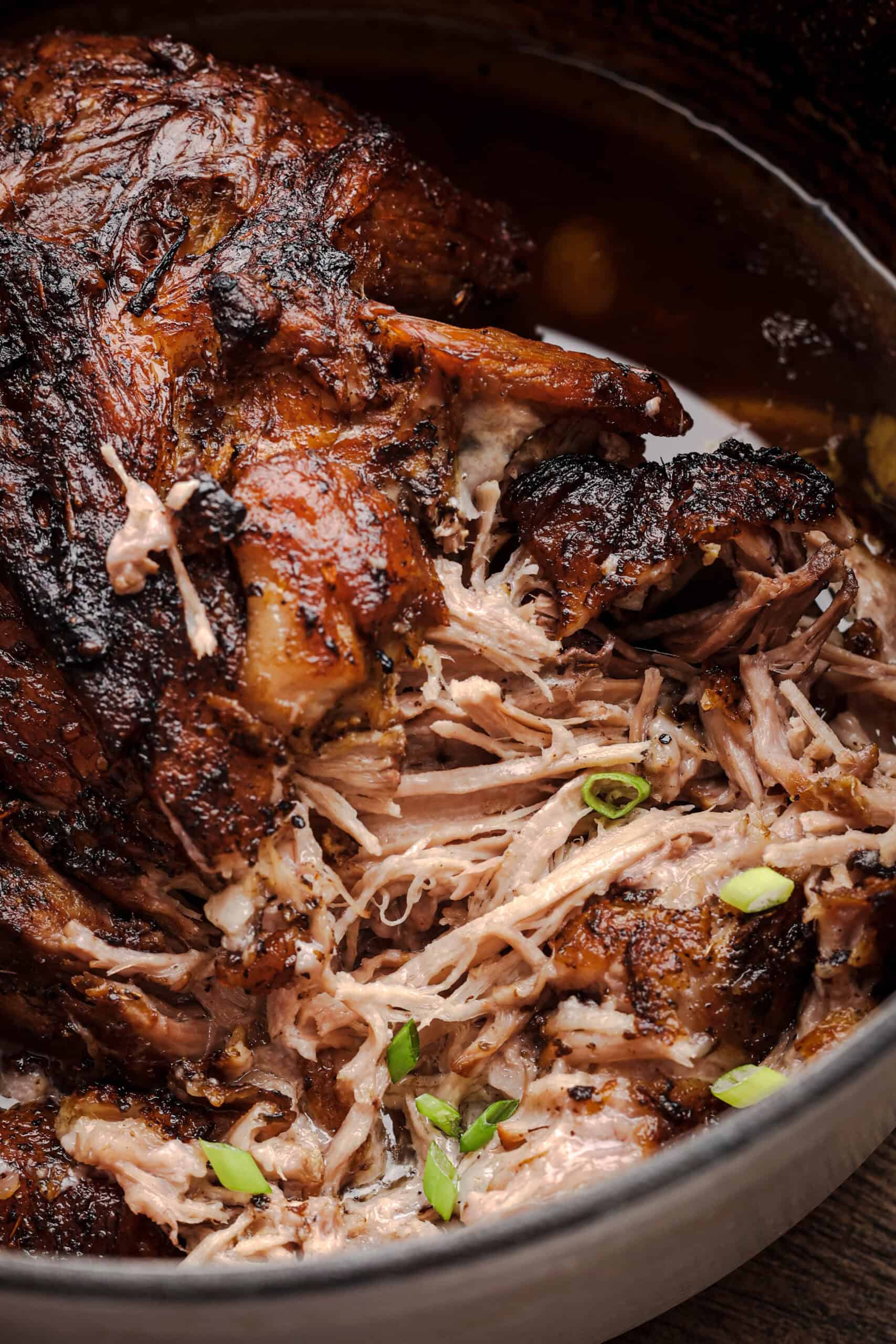
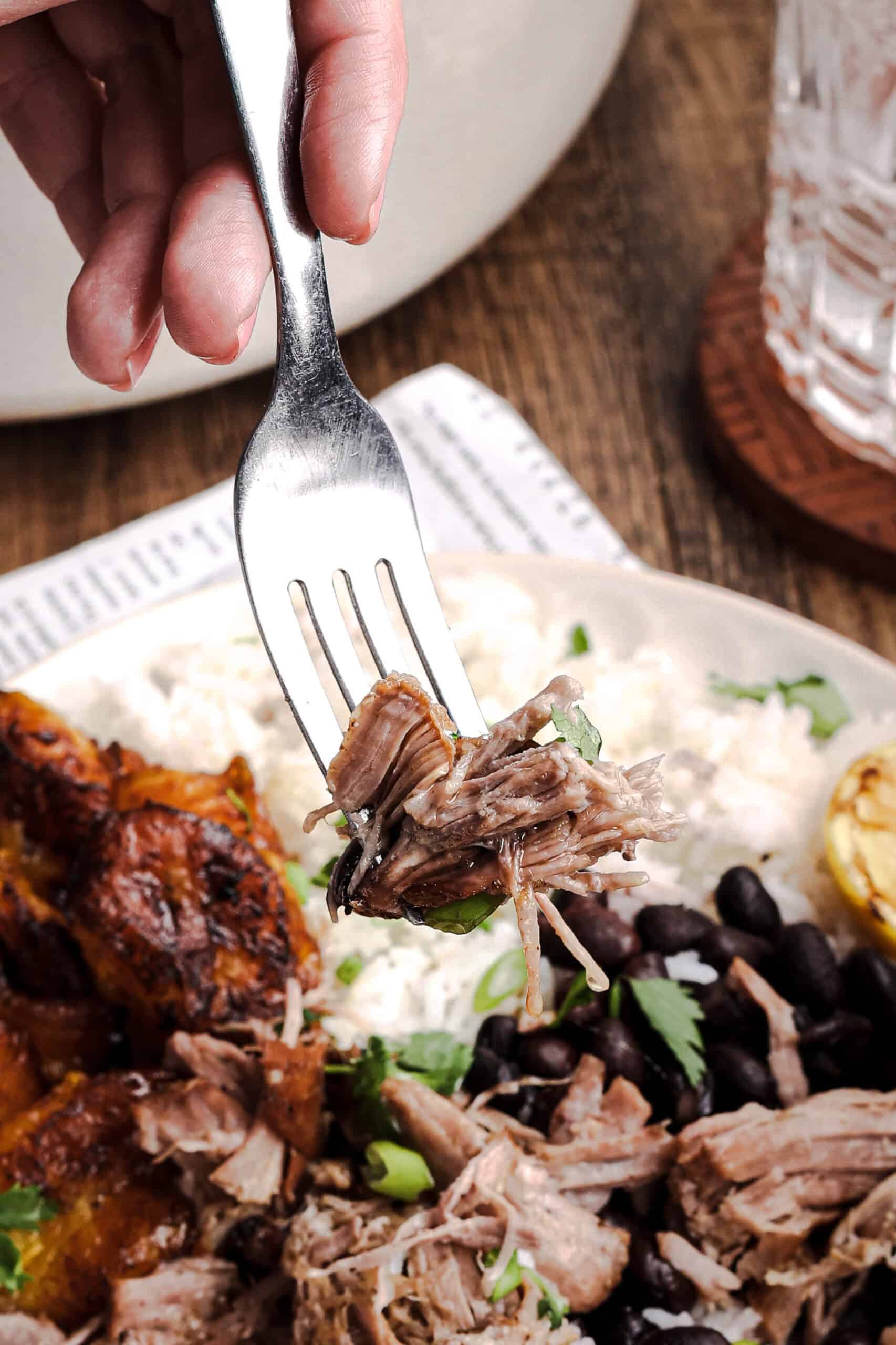
- Step 10: Using two forks, shred the pork into large pieces directly in the Dutch oven. Toss the shredded pork with the cooking juices to keep it moist and flavorful.
Tips & Tricks
5 Tips & Tricks for the best Mojo Pork Roast
- Don't Skip the Overnight Marinade: secret to flavorful mojo pork isn't just the ingredients, it's time. Allowing the pork to marinate overnight gives the citrus, garlic, and spices a chance to penetrate the meat and develop its unique flavor.
- Use Fresh Citrus Juice Whenever Possible: Freshly squeezed orange, lime, and lemon juice provide a brighter, more authentic flavor than bottled juice. Since citrus is the foundation of mojo, this is one ingredient worth taking a few extra minutes to prepare. The fresh citrus also creates richer pan juices that can be spooned over the finished pork.
- Roast Until the Pork Is Truly Tender: Many first-time cooks remove pork from the oven too early. Mojo pork should be cooked until it becomes fork-tender and easy to shred. For the best texture, cook the roast until it reaches an internal temperature between 195°F and 205°F.
- Finish Roasting Uncovered for Maximum Flavor: Removing the lid during the final stage of cooking allows the exterior of the pork to caramelize and develop a delicious golden-brown crust along the edges.
- Save the Pan Juices: The cooking liquid left behind in the Dutch oven is packed with citrus, garlic, herbs, and pork flavor. After shredding the meat, toss it with some of these juices to keep it moist and flavorful. The pan juices are also delicious spooned over rice, black beans, or even used to reheat leftovers the next day.
How to Serve
One of the reasons mojo pork has remained a Florida favorite for generations is its versatility. Whether you're preparing a casual family dinner, hosting friends, or meal-prepping for the week ahead, this flavorful roast can be served in many delicious ways.
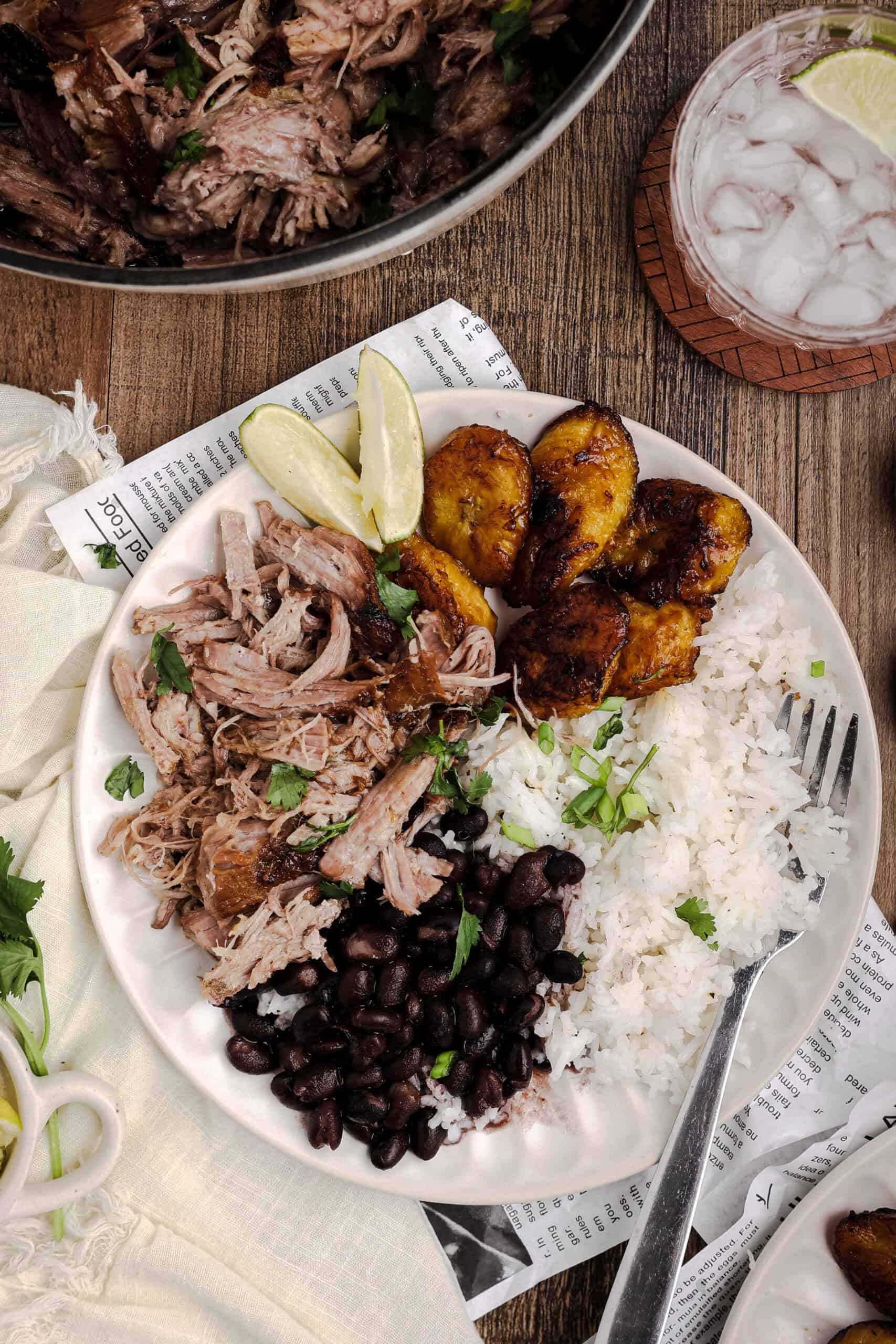
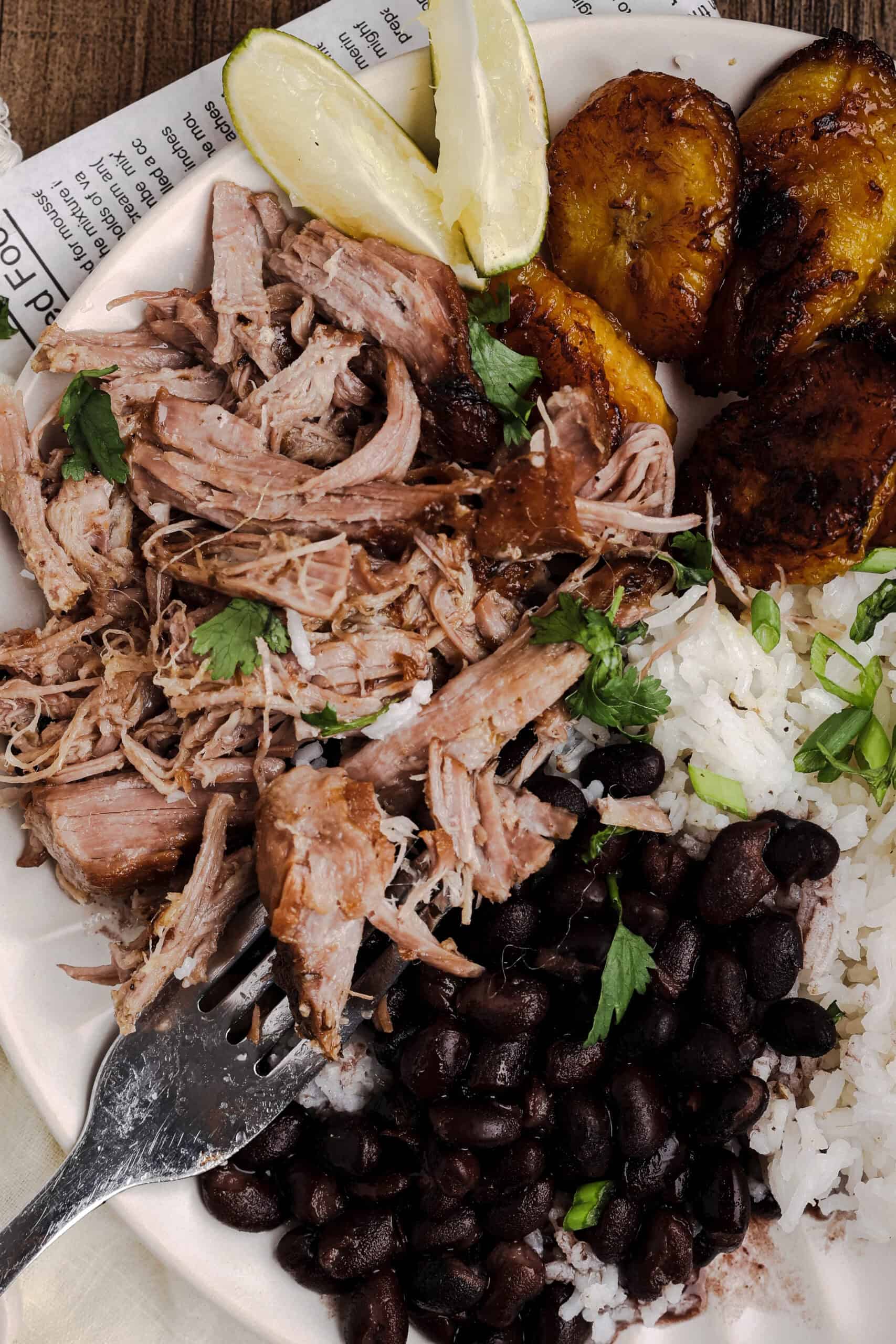
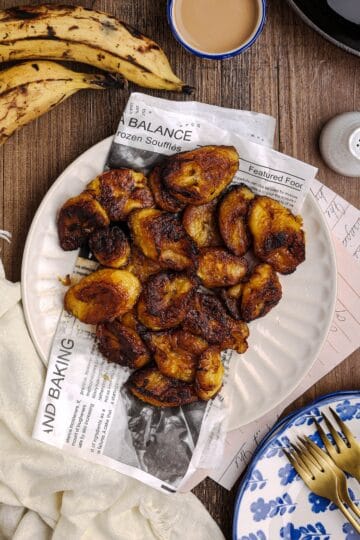
- Traditional Cuban Dinner Plate - For a classic Tampa-inspired meal, serve the mojo pork alongside white rice, black beans, sweet fried plantains and lime wedges. The rice soaks up the flavorful citrus-garlic pan juices, while the sweet plantains provide the perfect balance to the savory pork.
- Tampa Cuban Sandwiches - This roast is a staple ingredient in Tampa's famous Cuban sandwich. It just isn't the same without it. Layer sliced or shredded mojo pork onto Cuban bread with ham, Genoa salami, Swiss cheese, dill pickles and yellow mustard. Heat press until golden and crispy for an authentic taste of Ybor City.
- Mojo Pork Citrus Salad - For a lighter option, serve the pork over a bed of fresh greens with orange segments, avocado, red onion and a citrus vinaigrette. The bright flavors pair beautifully with the rich, slow-roasted po
What to Pair With
- Side Dishes: black beans, white or yellow rice, sweet fried plantains, a light salad, grilled corn, roasted potatoes
- Beverages: café Cubano, café con Leche, fresh limeade or lemonade, Cuban mojito, classic daiquiri
- Desserts: key lime pie, flan, tres leches cake, Cuban bread pudding, guava pastries
Variations
While this traditional mojo pork roast follows a classic Tampa-inspired preparation, there are several ways to adapt the recipe based on your preferences and cooking equipment.
- Traditional Sour Orange Mojo -If you have access to fresh sour oranges, substitute the orange, lime, and lemon juices with 1¾ cups fresh sour orange juice. Sour oranges are commonly used throughout Cuba and provide the most authentic mojo flavor with a balance of sweetness and acidity.
- Slow Cooker Mojo Pork - or a hands-off approach, prepare the marinade as directed and cook the pork in a slow cooker. Cook on LOW for 8-10 hours. Shred the pork once tender. For the best flavor and texture, transfer the shredded pork to a baking sheet and broil for a few minutes to create crispy edges before serving.
- Spicy Mojo Pork - If you enjoy a little heat you can add in 1 teaspoon of crushed red pepper flakes or a finely minced jalapeno. The added spice complements the citrus and garlic without overpowering the traditional flavors.
Family Recipe Note: One of the wonderful things about mojo pork is that every family has their own version. Some recipes include additional garlic, some use only sour oranges, and others add onions directly to the roasting pan. The beauty of this dish is that while the details may vary, the heart of the recipe remains the same: citrus, garlic, slow roasting, and sharing good food with the people you love.
Servings
This 4-pound mojo pork roast yields approximately 8 servings when served as a main course alongside rice, black beans, and plantains. If you're planning to use the pork for sandwiches, rice bowls, salads, or meal prep throughout the week, the recipe can stretch even further and provide 10 to 12 servings.
One of the best things about mojo pork is that it's just as delicious the next day, making it an excellent recipe for family gatherings, meal prep, and entertaining.
Storage
- Refrigerator: Allow the pork to cool completely before storing. Transfer the shredded pork and some of the cooking juices to an airtight container and refrigerate for up to 4 days. Storing the pork with a little of the mojo cooking liquid helps keep it moist and flavorful.
- Freezer: Mojo pork freezes wonderfully. Place cooled pork in freezer-safe containers or freezer bags along with a few spoonfuls of the cooking juices. Freeze for up to 3 months. For easy meal prep, consider freezing the pork in smaller portions so you can thaw only what you need.
Old Tampa Table Series
This recipe is part of the Old Tampa Table series, a collection dedicated to preserving the recipes, stories, and culinary traditions that helped shape Tampa's unique food culture.
While it's impossible to point to one exact version of mojo pork that was served during Tampa's cigar era, the flavors in this recipe are deeply rooted in the traditions brought to Ybor City by Cuban immigrants in the late nineteenth and early twentieth centuries. Citrus-marinated pork, garlic, oregano, and slow cooking were staples in many Cuban households long before they arrived in Florida, and these ingredients quickly became part of the culinary landscape of Tampa.
During the height of the cigar industry, Ybor City was home to thousands of cigar workers and their families. Life revolved around work, community, social clubs, and gatherings around the table. Large roasts were practical, affordable, and capable of feeding extended families and guests. Recipes like mojo pork were often prepared for Sunday dinners, holidays, celebrations, and community events where food brought people together.
Many family mojo pork recipes exist only in memory, Yet, every bite tells a story of tradition and the blending of cultures that made Tampa unlike anywhere else in Florida.
Additional Recipes
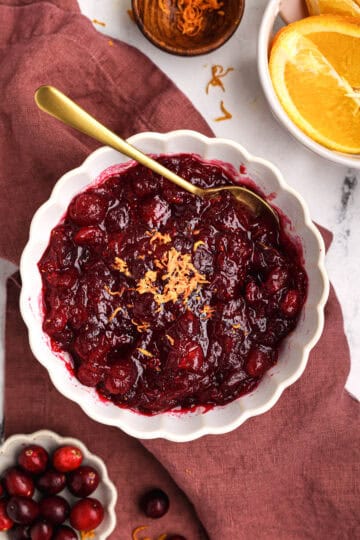
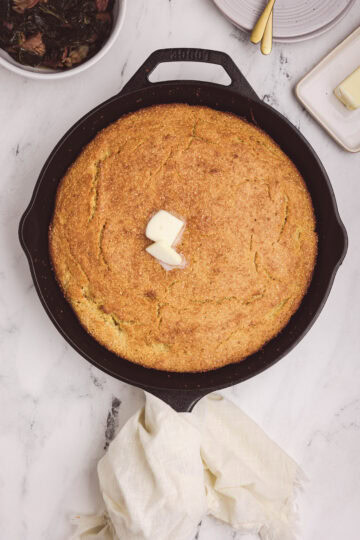
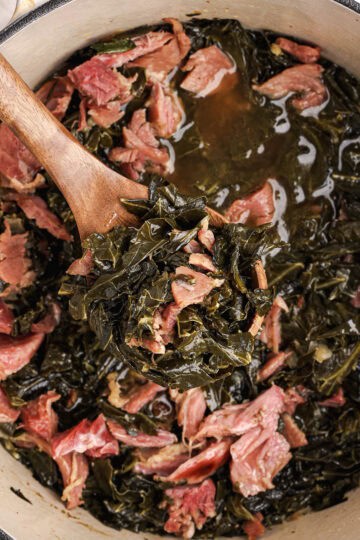
Need a recipe to pair with the mojo roasted pork? Try on of these:

Mojo Pork Roast Recipe
Equipment
- Large Dutch oven with lid
- Sharp chef’s knife
- Cutting Board
- Large mixing bowl
- Measuring Cups and Spoons
- Citrus juicer (optional)
- Whisk
- Meat Thermometer
- Tongs or serving forks
Ingredients
- 1 4-pound boneless pork shoulder
- 1 cup fresh orange juice
- ½ cup fresh lime juice
- ¼ cup fresh lemon juice
- ¼ cup olive oil
- 10 garlic cloves divided
- 2 teaspoons dried oregano
- 2 teaspoons ground cumin
- 1 tablespoon kosher salt
- 1 teaspoon black pepper
Instructions
- In a bowl, whisk together the orange juice, lime juice, lemon juice, olive oil, remaining 6 minced garlic cloves, oregano, cumin, salt, and pepper.
- Pat the pork shoulder dry with paper towels. Using a sharp knife, cut small slits all over the pork. Slice 4 garlic cloves and insert them into the slits.
- Place the pork shoulder in a Dutch oven. Pour the mojo marinade over the pork, turning to coat all sides.
- Cover and refrigerate for at least 8 hours, preferably overnight. Turn the pork once or twice during marinating if possible.
- Remove the pork from the refrigerator 30 minutes before cooking. Preheat the oven to 325°F.
- Cover the Dutch oven with its lid and roast for 3½ to 4 hours, or until the pork is fork tender and reaches an internal temperature of 195°F to 205°F.
- Remove the lid and increase the oven temperature to 425°F. Continue roasting for 20 to 30 minutes until the exterior is caramelized and golden brown.
- Remove from the oven and allow the pork to rest for 15 to 20 minutes.
- Shred the pork using two forks and toss with the cooking juices.
- Serve with rice, Cuban black beans, and sweet fried plantains, or use the pork to make Tampa-style Cuban sandwiches.
Whether you're discovering mojo pork for the first time or recreating a family favorite, I hope this recipe brings a little taste of Old Tampa into your kitchen. If you enjoyed this recipe, I'd love for you to leave a rating and review below.
And if you'd like more Florida-inspired recipes, local history, and stories from another time, consider joining the Letters From Old Florida. Each letter is filled with coastal comfort recipes, vintage Florida charm, and the people, places, and traditions that make our state so special.
Leave a Reply